Attention Hyderabad: Take Control of Your Eye Health Before Vision Loss Takes Control
Discover comprehensive eye care,
from routine vision tests to advanced cataract and glaucoma treatment, all under one roof.
❌ Ignoring blurry vision ❌ Assuming eye problems are “just age”
❌ Delaying eye check-ups ❌ Jumping between clinics
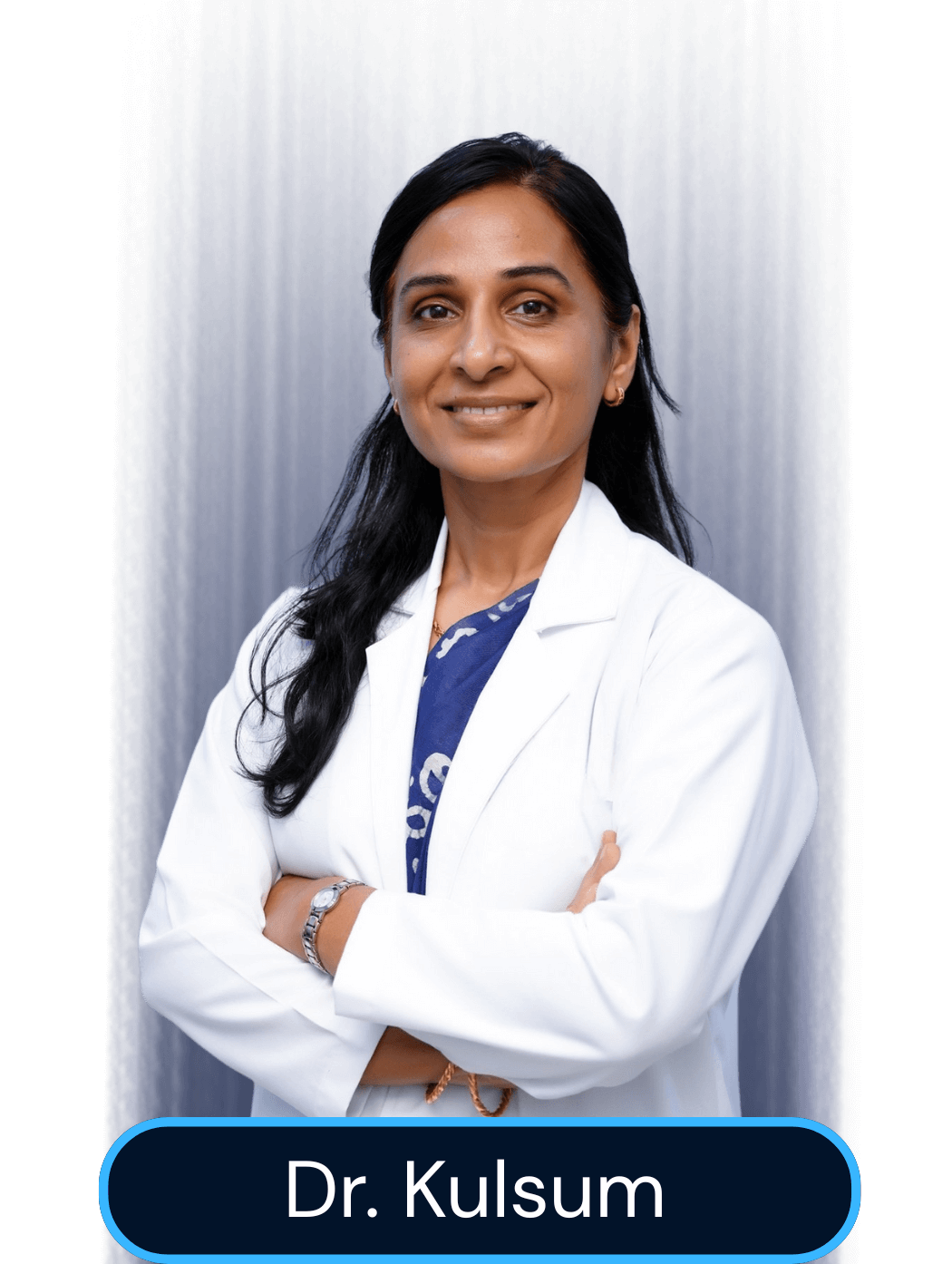
dr.Kulsum
MBBS, DO, MS (Ophthalmology)
- 25+ Years Experience
- 1500+ Successful Cataract Surgeries
- Comprehensive Eye Hospital

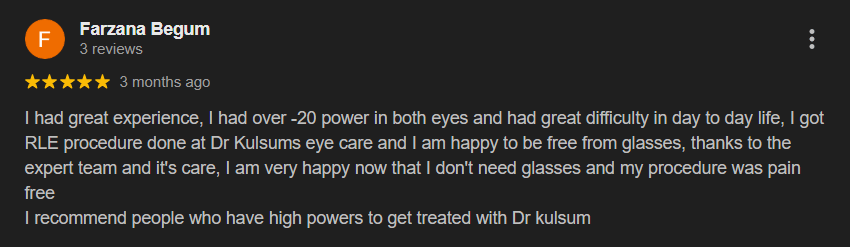
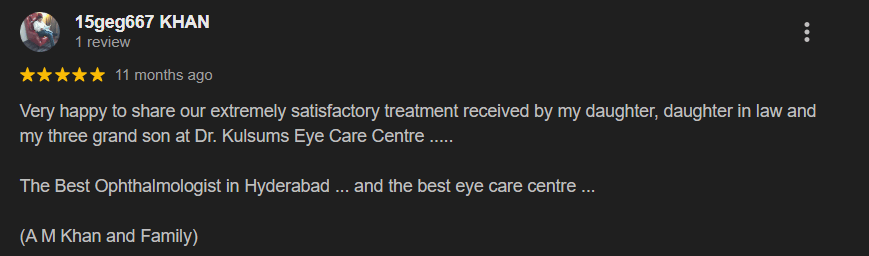
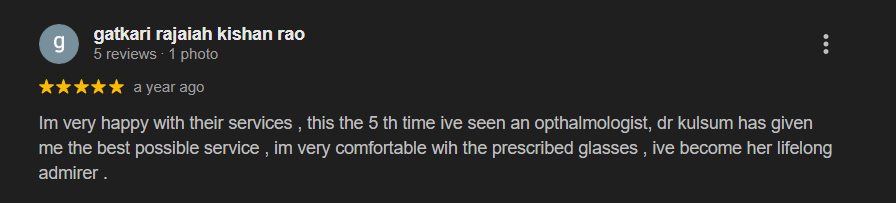
REAL PATIENT EXPERIENCES
Thousands trust us with their vision
From routine eye check-ups to advanced surgeries, patients across all age groups trust our care, expertise, and outcomes.

Common Eye Problems People Ignore
Blurry or Foggy Vision
Reading Difficulty
Difficulty with Night Driving
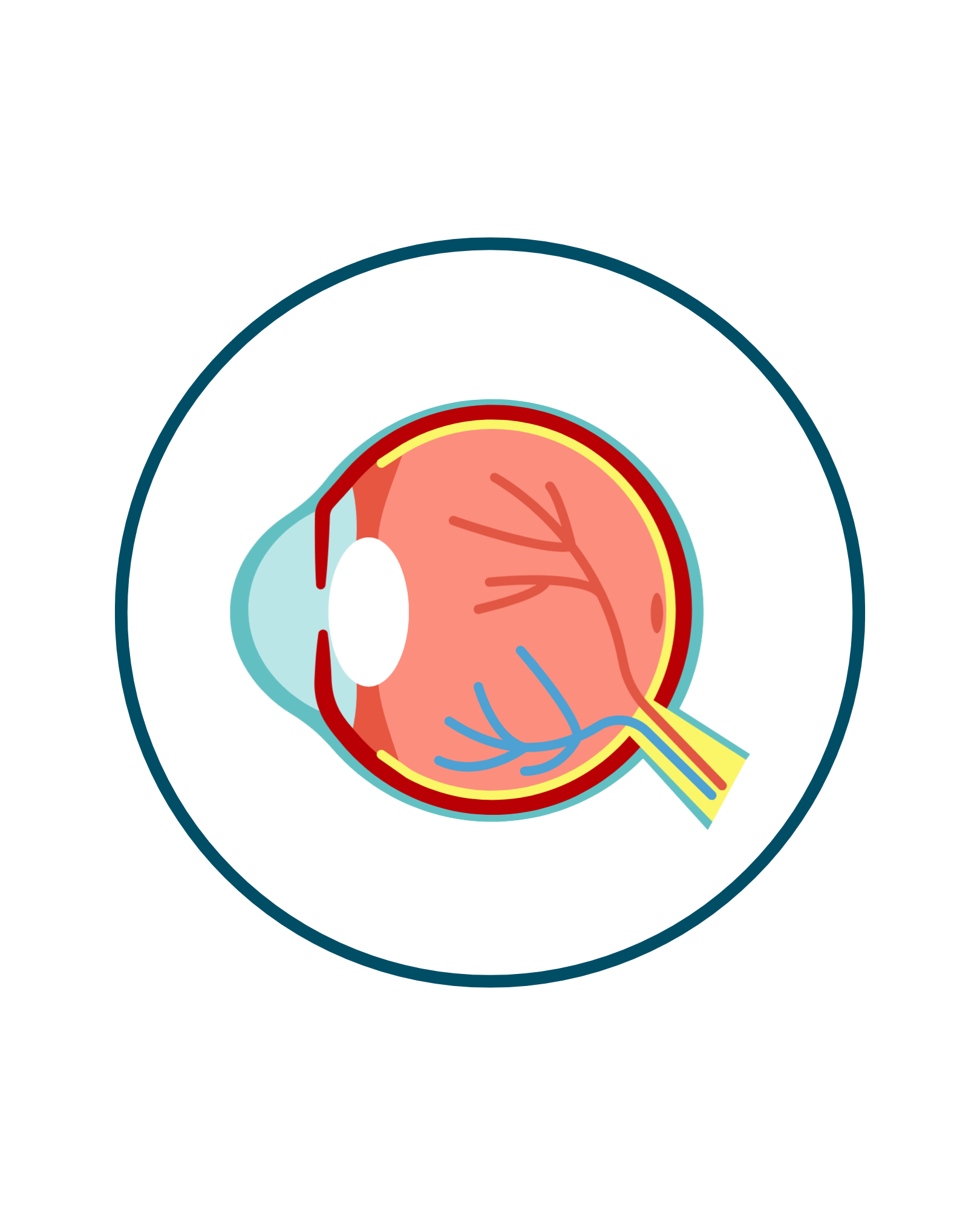
Frequent Eye Allergies
Headlight
Glare
Frequent Headaches
The Importance of Cataract Eye Care & Detection
80% of Blindness Is Preventable
With timely diagnosis and proper treatment, most vision loss can be avoided.
Most Eye Diseases Progress Silently
Conditions like glaucoma and diabetic eye disease often show no early symptoms.
Early Detection Protects Vision
Identifying problems early prevents permanent damage and reduces treatment complexity.
Complete Eye Care Under One Roof
From routine vision tests to advanced surgical treatments,
everything is available in one place for all age groups.
- Comprehensive Eye Checkups
- ICL Surgery
- Children’s Myopia Control
- Vision & Refraction Tests
- Glaucoma Care
- ROP Screening for Premature Babies
- CATARACT SURGERY
- Pediatric Eye Care
- Eye Allergy
- Accidents
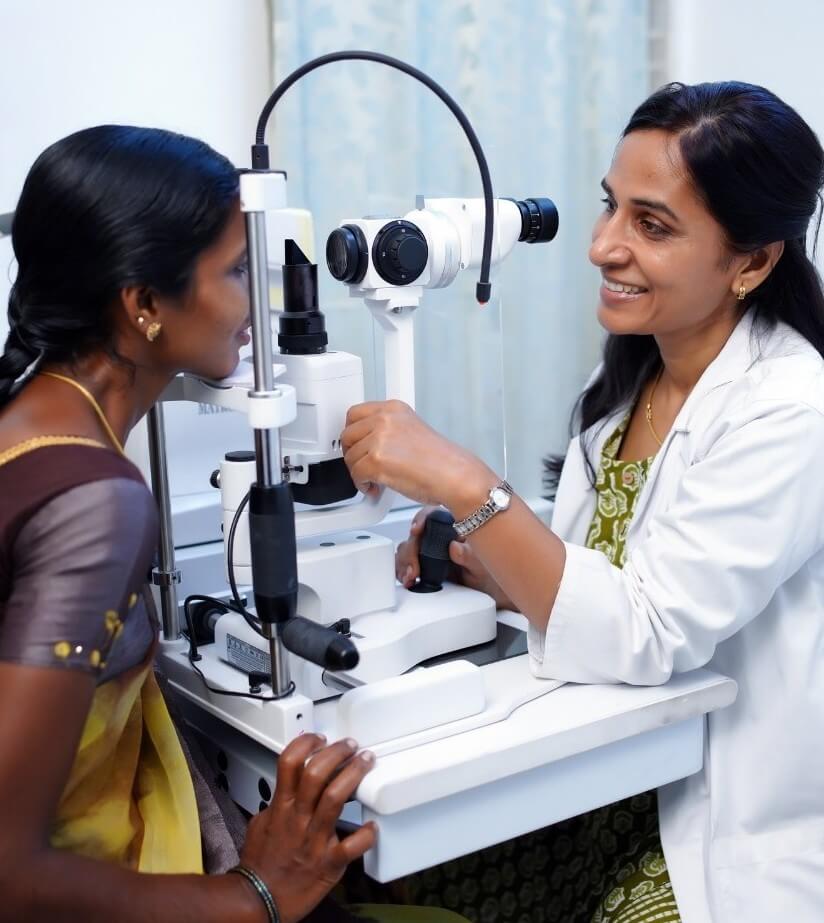
What to Expect in Your First Consultation
- Detailed Eye Examination
- Vision & Eye Health Testing
- Doctor Evaluation
- Stage of Cataract
- Clear Explanation of Findings
- Treatment or Monitoring Plan
- Guidance for Next Steps
Meet your Doctor
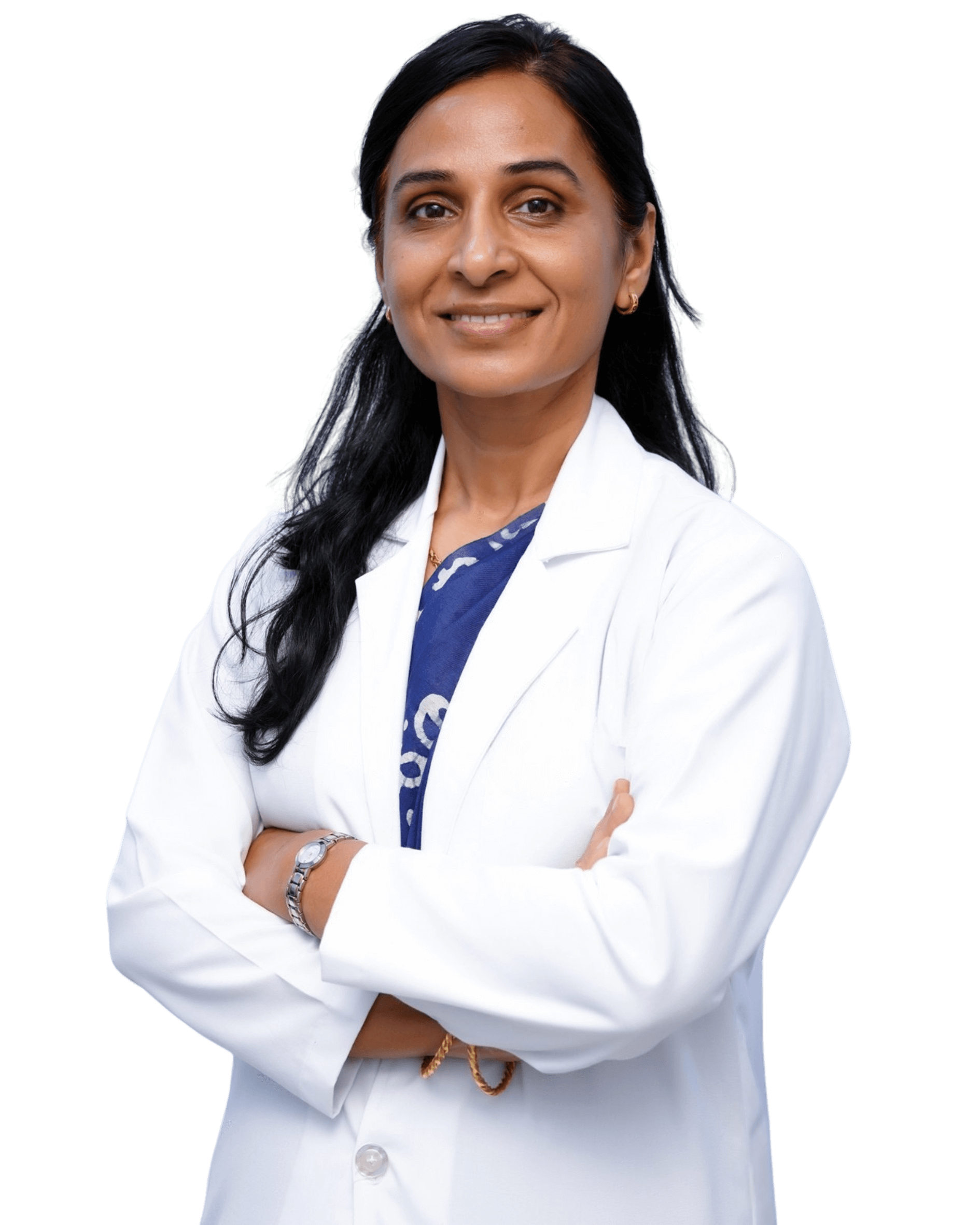
Dr. Syeda Parveen Kulsoom
- A Trusted Leader in Comprehensive Eye Care & Vision Restoration
- MBBS, DO, MS (Ophthalmology)
- 5,000+ Successful Eye Surgeries with consistently high patient outcomes
- 100,000+ Happy Patients Worldwide, spanning all age groups
- Expertise in Advanced & Precision Ophthalmic Surgical Techniques
- A Pioneer in Lifestyle-Focused Eye Care
- Recognised for Service & Impact for actively being involved in community outreach, school programs, and preventive eye-health awareness.
Beyond the Clinic
Community Eye Care
School Eye Screening Programs
Public Eye Health Education
ROP Screening Awareness
Cataract Surgeries
Book Now & Get Bonus Free
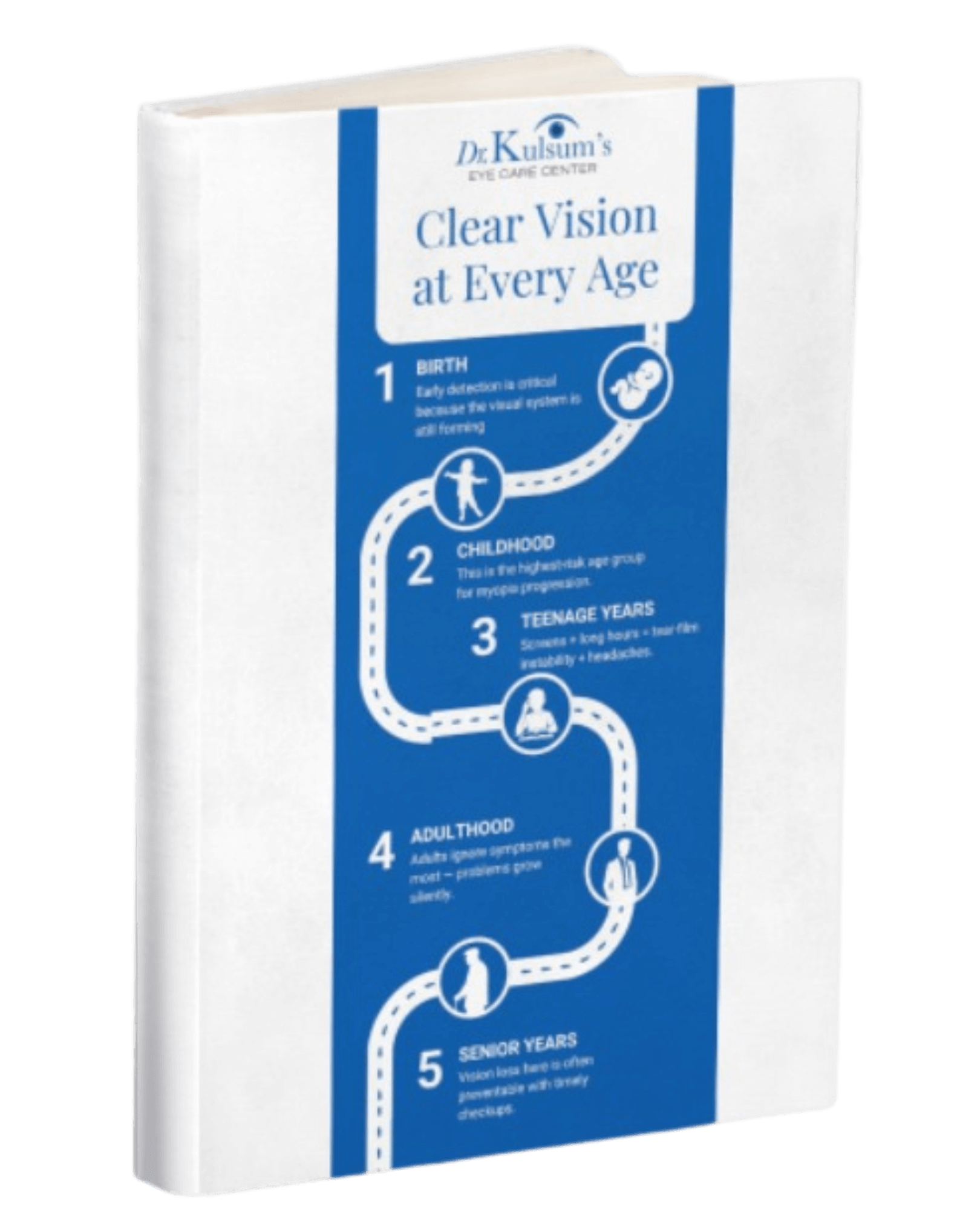
Our Content
All About Cataracts
Understand cataracts and how they affect vision. From symptoms to surgery, get practical advice on when to seek treatment and how to choose the right lens. Clear, simple guidance for families in Hyderabad.
Children’s Eye Health: Tips for Parents
Children’s eyes are still developing and need special care. Discover simple lifestyle habits, diet tips, and timely checkups every parent should follow to protect their child’s vision and future.
Glasses Explained: Vision Problems, Myths & Solutions
Understand myopia, astigmatism, presbyopia and more. Bust myths about glasses, explore lens types, and learn why early correction is crucial.
FAQs
How long does cataract surgery take?
The actual cataract surgery procedure typically takes only about 15-20 minutes per eye. However, you should plan to be at the clinic for 2-3 hours total for preparation and initial recovery.
Is I.C.L surgery painful?
At Dr. Kulsum’s Eye Care, patients often ask if ICL surgery is painful. The good news is that it’s virtually painless. The procedure is done under numbing eye drops, so you only feel mild pressure, not pain. Recovery is smooth, with little discomfort managed easily.
How often should I get my eyes checked?
For adults with no vision problems or risk factors, an eye examination every 2 years is recommended. However, regular check-ups are advised for those over 40, contact lens wearers, or people with diabetes, high blood pressure, or family history of eye disease. Children should have their first comprehensive eye examination by age 3, then before starting school, and regularly throughout school years.
What are the signs of glaucoma?
The most common form of glaucoma (open-angle glaucoma) often has no symptoms in its early stages, which is why regular eye exams are crucial. As the disease progresses, symptoms may include gradual loss of peripheral vision, seeing halos around lights, eye pain, headaches, nausea, and blurred vision. Acute angle-closure glaucoma presents with sudden severe eye pain, headache, nausea, blurred vision, and seeing rainbow-colored halos around lights.
At what age should children have their first eye exam?
Children should have their first comprehensive eye examination at Birth (for any congenital defects) and then at 6 months of age, another at age 3, and again before starting school (around age 5-6). After that, annual eye exams are recommended throughout the school years.Early detection of vision problems is crucial for proper visual development and academic success. If there's a family history of eye problems or if you notice any vision issues, schedule an appointment right away.
Your Vision Deserves Expert Care
Don’t wait for symptoms to worsen.